Understanding Kaizen and Its Five Essential Levels for Continuous Improvement

Continuous improvement is a goal many organizations and individuals strive for, but achieving it requires a clear and practical approach. One of the most effective methods to foster ongoing progress is Kaizen, a Japanese philosophy that focuses on small, incremental changes. This blog post explores what Kaizen is and explains its five essential levels, helping you understand how to apply this approach for lasting improvement.
What Is Kaizen?
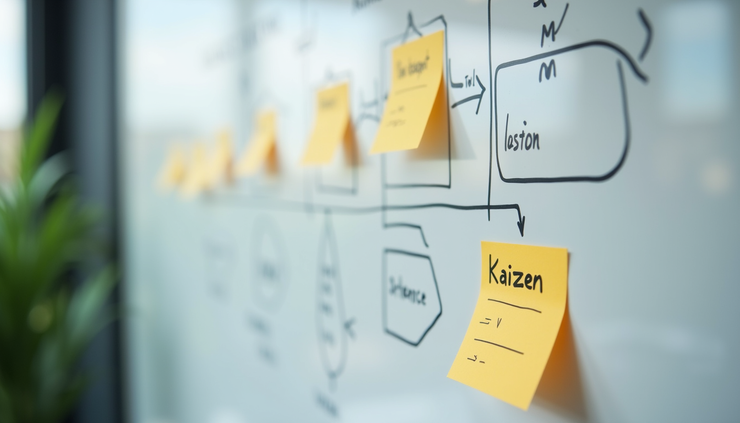
Kaizen means "change for better" in Japanese. It is a mindset and practice that encourages continuous, incremental improvements in processes, products, or personal habits. Instead of seeking large, disruptive changes, Kaizen focuses on small steps that add up over time to create significant benefits.
This philosophy originated in post-World War II Japan, where companies like Toyota adopted it to improve manufacturing efficiency and quality. Today, Kaizen is widely used in various industries and personal development to build a culture of ongoing progress.
The core idea is simple: everyone, from top management to frontline workers, can contribute ideas to improve daily work. These small improvements reduce waste, increase efficiency, and enhance quality.
The Five Levels of Kaizen
Kaizen operates on five distinct levels, each representing a different scope and impact of improvement efforts. Understanding these levels helps organizations and individuals apply Kaizen effectively.
1. Individual Level
At this level, Kaizen focuses on personal habits and skills. Individuals identify small ways to improve their own work or routines. For example, a worker might reorganize their tools to reduce time spent searching for items or learn a new skill to perform tasks more efficiently.
This level is the foundation of Kaizen because continuous improvement starts with personal responsibility and awareness.
2. Team Level
The team level involves small groups working together to improve their shared processes. Teams hold regular meetings to discuss problems and suggest improvements. For example, a production team might find ways to reduce machine downtime or improve communication during shift changes.
Team-level Kaizen encourages collaboration and collective problem-solving, making improvements more effective and sustainable.
3. Department Level
At the department level, Kaizen focuses on broader processes that affect multiple teams. Departments analyze workflows, identify bottlenecks, and implement changes that improve overall performance. For instance, a customer service department might streamline complaint handling procedures to reduce response times.
This level requires coordination and alignment among teams to ensure improvements benefit the entire department.
4. Organizational Level
Kaizen at the organizational level involves company-wide initiatives to improve culture, systems, and strategies. Leadership plays a key role in promoting Kaizen values and supporting improvement projects. Examples include implementing company-wide quality standards or adopting new technologies to enhance productivity.
This level ensures that continuous improvement becomes part of the organization's DNA, influencing all areas of operation.
5. Societal Level
The highest level of Kaizen extends beyond the organization to impact society and the environment. Companies may engage in sustainable practices, community development, or ethical business operations. For example, a manufacturer might reduce waste and emissions to protect the environment while improving efficiency.
This level reflects a commitment to responsible growth that benefits not only the company but also the wider community.
How to Apply Kaizen in Practice
Applying Kaizen requires a clear process and commitment. Here are practical steps to get started:
Identify areas for improvement: Look for small problems or inefficiencies in daily work.
Encourage suggestions: Create an open environment where everyone can share ideas.
Test small changes: Implement improvements on a small scale to see their impact.
Measure results: Track performance to ensure changes lead to real benefits.
Standardize successful changes: Make improvements part of regular practice.
Repeat the cycle: Continuous improvement means always looking for the next opportunity.
For example, a manufacturing team might notice frequent delays due to missing parts. They could introduce a checklist system to ensure all materials are ready before production starts. After testing and refining this change, the new process becomes standard, reducing delays and increasing output.
Benefits of Understanding Kaizen Levels
Knowing the five levels of Kaizen helps organizations and individuals:
Target improvements effectively: Focus efforts where they will have the most impact.
Build a culture of continuous improvement: Engage everyone from individuals to leadership.
Create sustainable change: Small steps lead to lasting results.
Align goals across the organization: Ensure all levels work toward common objectives.
Enhance overall performance: Improve quality, efficiency, and satisfaction.
Final Thoughts on Kaizen and Continuous Improvement
Kaizen offers a clear path to continuous improvement by breaking down change into manageable levels. Whether you want to improve your personal habits or transform an entire organization, understanding these five levels provides a practical framework.
Start with small, daily improvements and build momentum. Encourage teamwork and leadership support. Over time, these efforts will create a culture where progress is constant and everyone contributes to better outcomes.
If you want to foster lasting growth and efficiency, embracing Kaizen’s five levels is a strong step forward. Take a moment today to identify one small change you can make and begin your journey of continuous improvement.


Comments